Why Do Warehouses Need Extended Fork Pallet Trucks?
In modern warehouses and logistics operations, moving goods efficiently is essential for maintaining smooth workflows. While standard pallet trucks are widely used for everyday material handling, some cargo requires a different solution. This is where an Extended Fork Pallet Truck becomes valuable.
At first glance, a pallet truck with longer forks may look like a simple variation of a traditional hand pallet truck. However, the extended fork design is based on practical handling needs, especially for oversized pallets, long loads, and special cargo configurations.
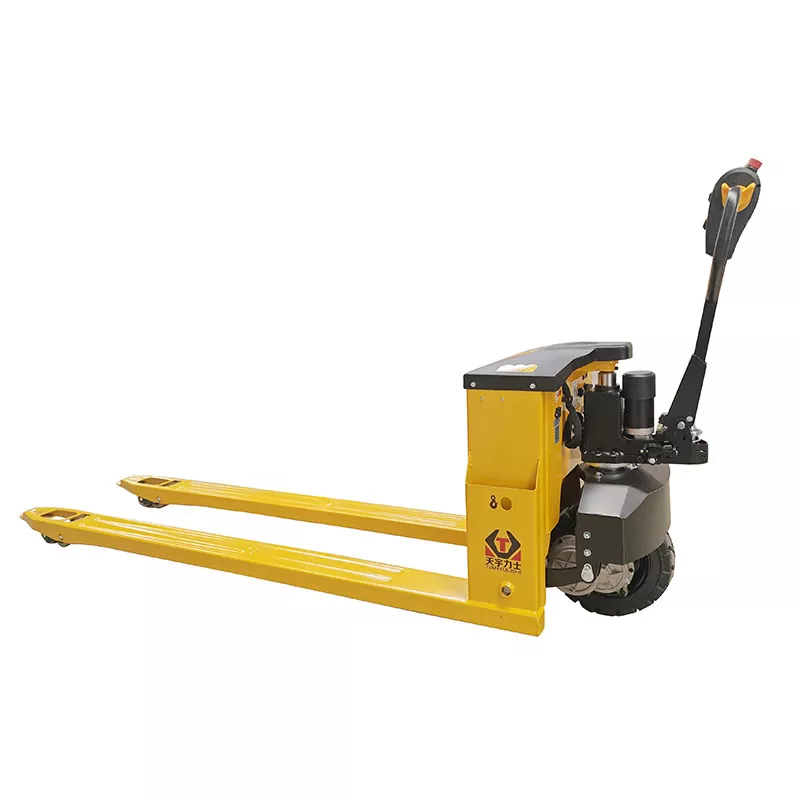
What Is an Extended Fork Pallet Truck?
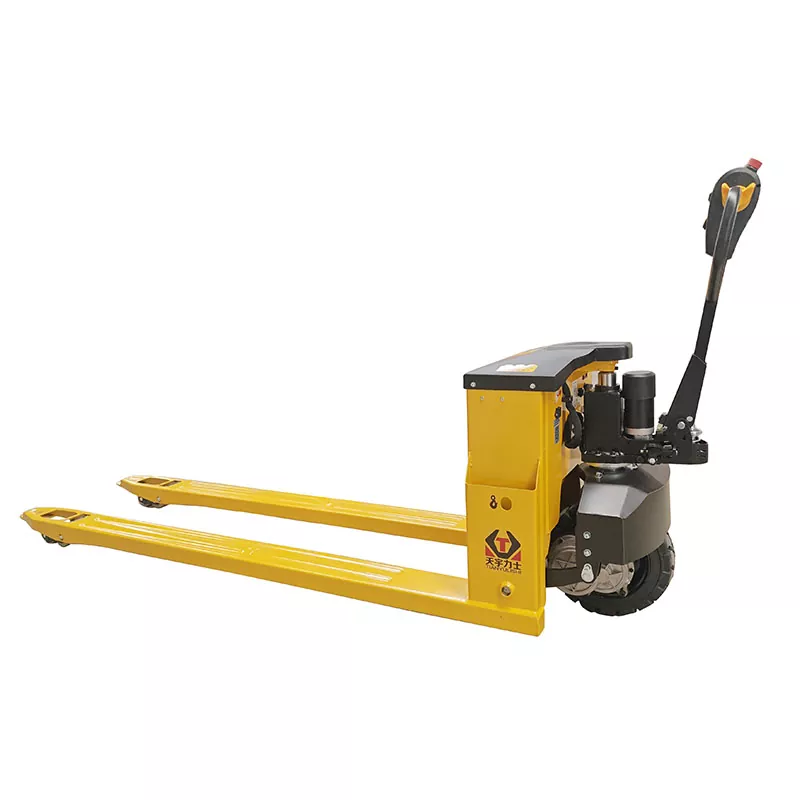
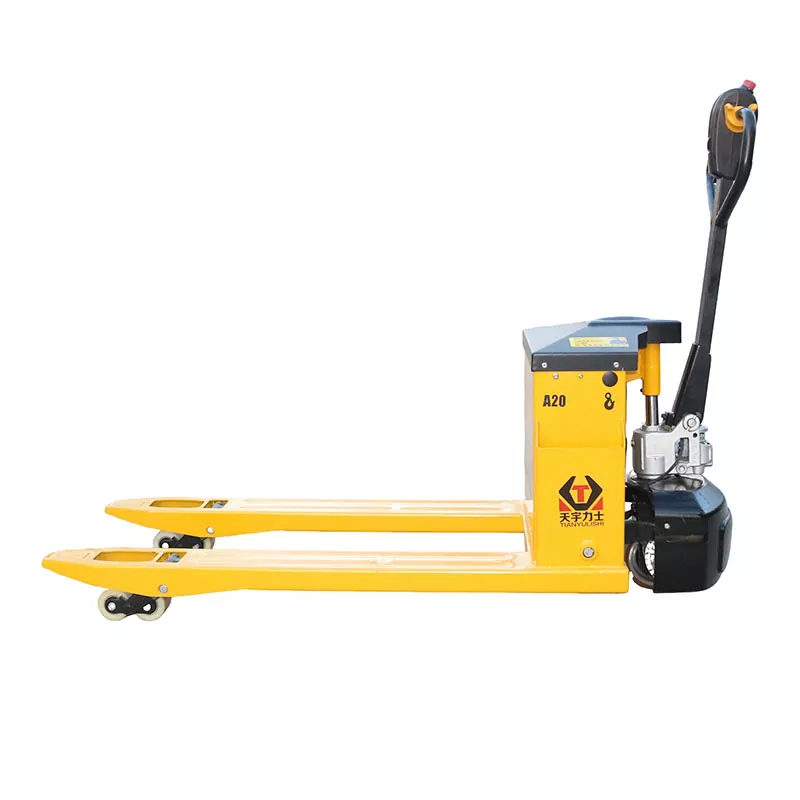
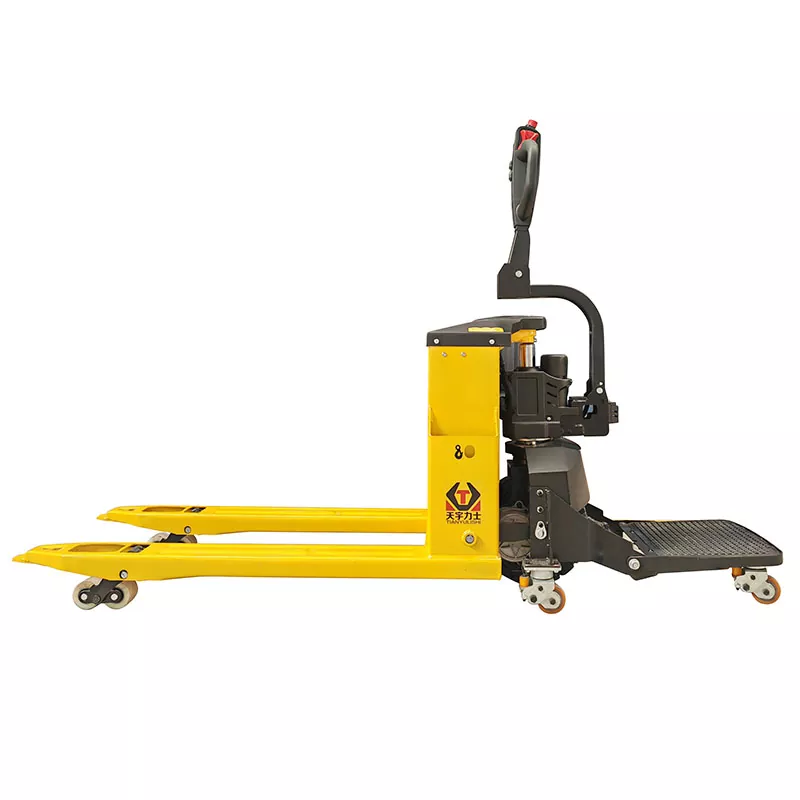
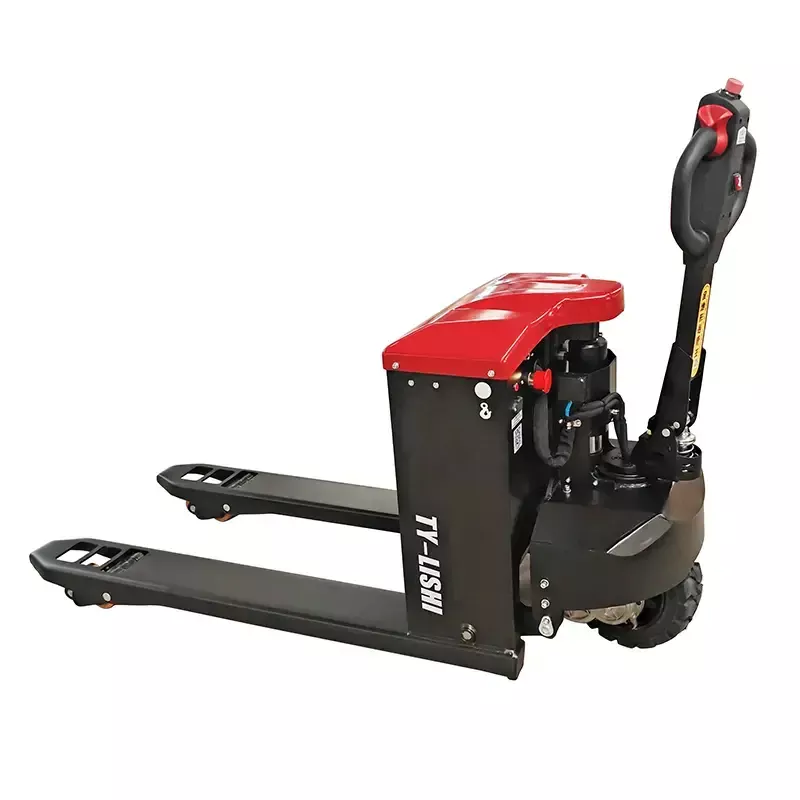
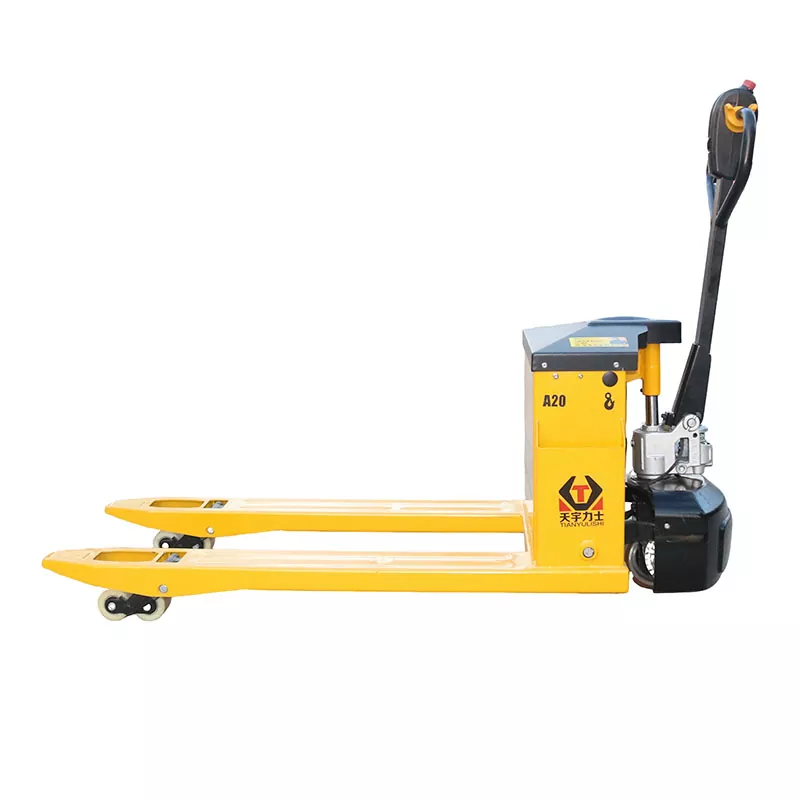
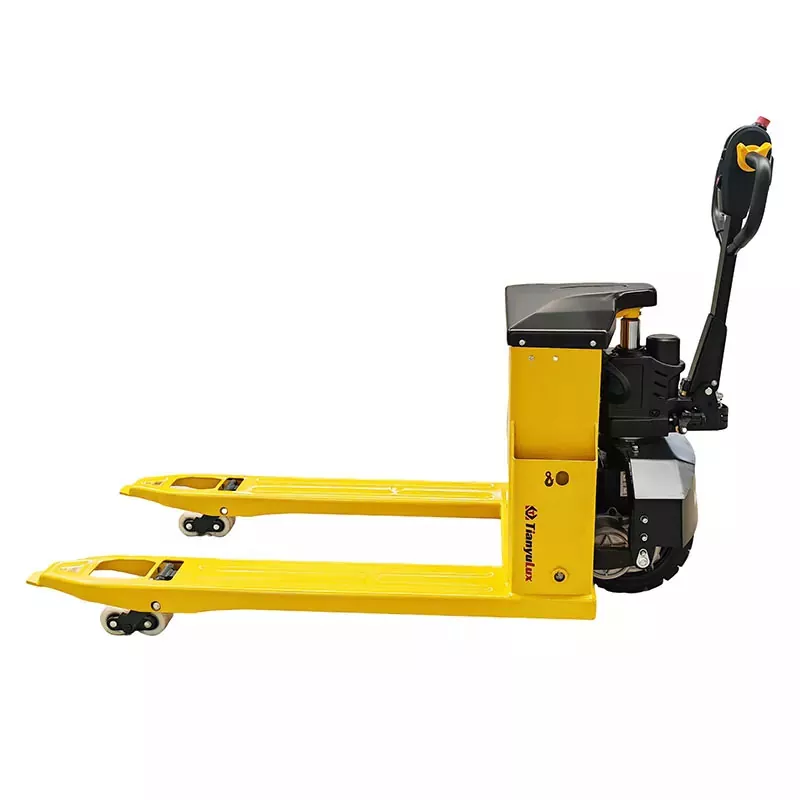
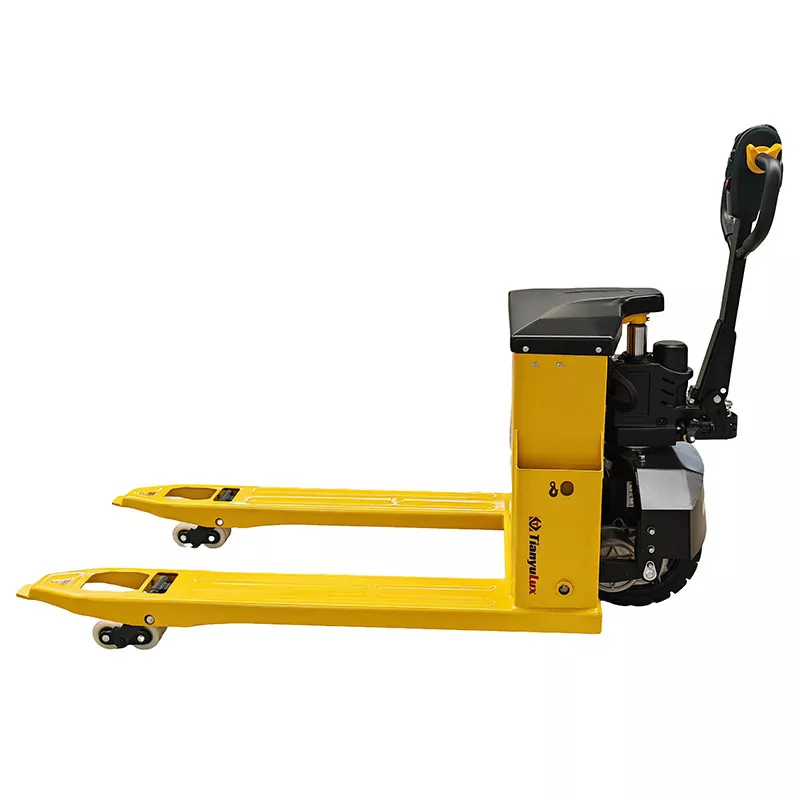
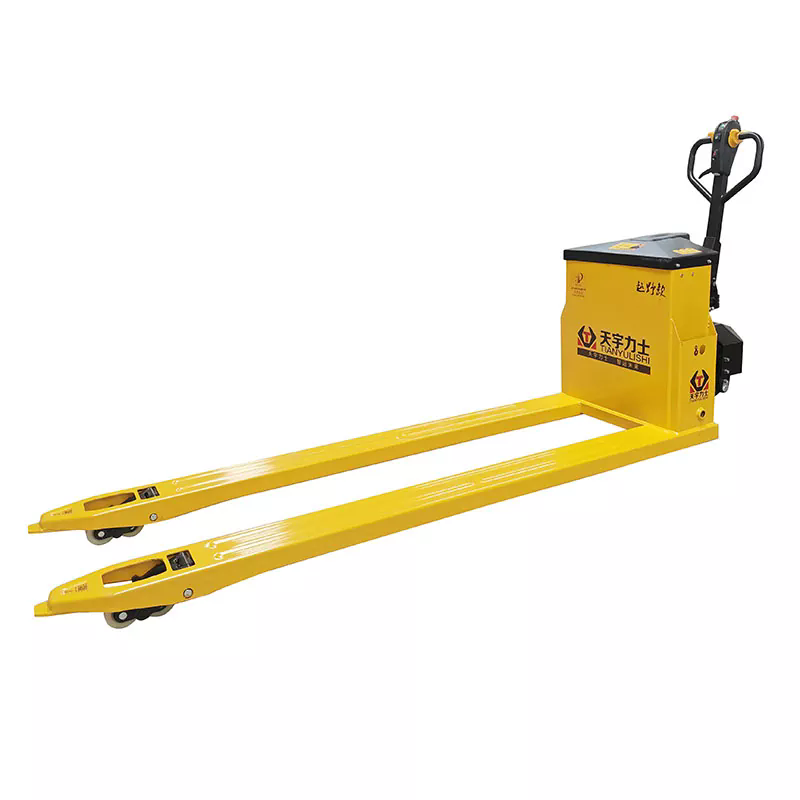
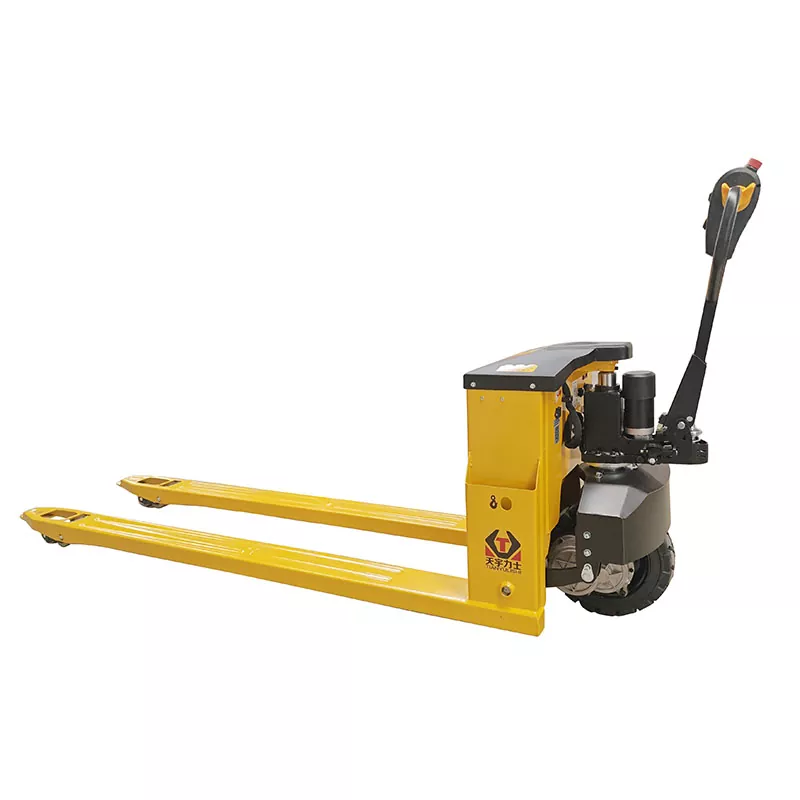
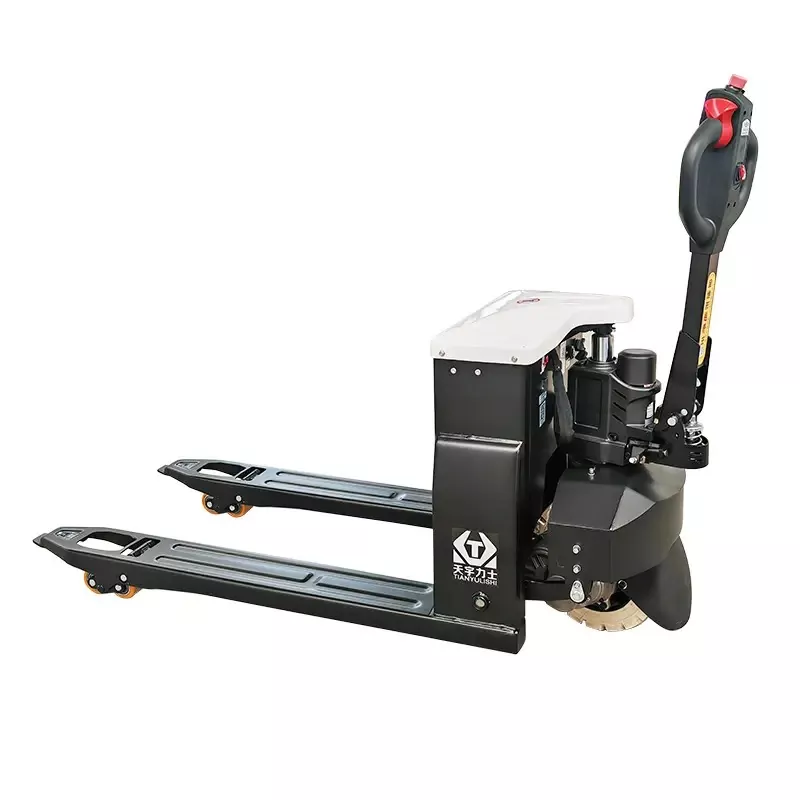
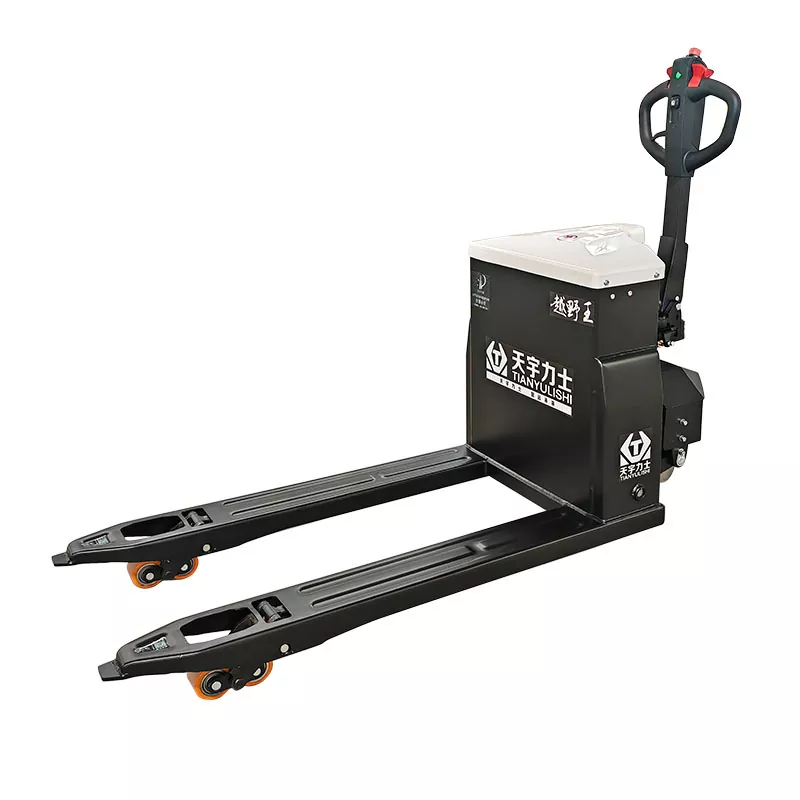
An Extended Fork Pallet Truck is a material handling device equipped with longer-than-standard forks, allowing operators to lift and move larger pallets or longer loads.
Like a conventional pallet truck, it uses a hydraulic lifting mechanism to raise pallets slightly above the ground and allows manual movement through steering wheels and load rollers.
The main difference is the fork length.
- Standard pallet trucks are designed for common pallet sizes
- Extended fork pallet trucks provide greater support for oversized or longer loads
This makes them suitable for warehouses and industries where cargo dimensions vary.
Why Are Longer Forks Needed in Material Handling?
Many warehouses handle goods that do not fit standard pallet dimensions. Using a regular pallet truck for these loads can create problems such as unstable support or inefficient transportation.
Extended forks help solve these challenges by providing:
- Larger contact areas with pallets
- Better support for long materials
- Reduced risk of load imbalance
- Improved handling efficiency
For example, long packaging materials, large panels, and oversized pallets often require additional fork length to maintain stable movement.
How Does Fork Length Affect Load Stability?
Fork length plays an important role in how a pallet truck supports a load.
When forks are too short, part of the pallet may extend beyond the support area. This can increase pressure on a smaller section of the pallet and affect balance during movement.
With extended forks:
- More of the pallet surface is supported
- Weight distribution becomes more balanced
- The load can move more smoothly
However, longer forks do not automatically mean higher load capacity. The actual capacity depends on factors such as frame strength, hydraulic system design, and load center distance.
The Hidden Engineering Behind Extended Fork Designs
The design of an extended fork pallet truck involves more than simply adding extra length to the forks.
Manufacturers must consider several engineering factors:
Fork Strength
Longer forks experience different stress conditions during lifting and transportation. High-strength steel and proper structural design help maintain durability.
Load Distribution
Engineers need to consider how weight is distributed along the extended fork surface to maintain safe operation.
Frame Stability
The truck frame must provide sufficient support to handle longer loads without reducing maneuverability.
Wheel Design
Load rollers and steering wheels also affect movement performance, especially when carrying heavier or longer materials.
Extended Fork Pallet Truck vs Standard Pallet Truck
| Feature | Extended Fork Pallet Truck | Standard Pallet Truck |
|---|---|---|
| Fork Length | Longer forks for oversized loads | Standard fork length |
| Load Support | Supports longer pallets and materials | Suitable for common pallet sizes |
| Stability | Better support for large cargo | Best for standard loads |
| Application | Warehouses with special-size goods | General material handling |
| Flexibility | Designed for specific handling needs | More universal usage |
Common Applications of Extended Fork Pallet Trucks
Extended fork pallet trucks are commonly used in industries where large or unusual cargo sizes are common.
Warehousing and Logistics
Distribution centers often handle different pallet sizes. Extended forks provide more flexibility when moving oversized goods.
Manufacturing Facilities
Factories may use extended fork pallet trucks for transporting large components, raw materials, and finished products.
Packaging Industry
Large packaging materials such as cartons, rolls, and bulk-packed products may require longer support surfaces.
Building Materials Handling
Long boards, panels, and construction-related products can be easier to move with extended fork designs.
Why Are Extended Fork Pallet Trucks Useful for Large Loads?
The main advantage is improved handling efficiency.
A standard pallet truck may require additional positioning or multiple handling steps when dealing with long cargo. An extended fork model can often complete the task more smoothly.
Benefits include:
- Fewer repositioning operations
- Better cargo support
- Smoother transportation
- Improved workplace efficiency
Can Longer Forks Carry More Weight?
This is a common misunderstanding.
A longer fork does not necessarily mean a higher load capacity. In fact, increasing fork length can change the load center and affect the forces applied to the equipment.
The safe working capacity depends on:
- Load weight
- Load position
- Fork structure
- Hydraulic performance
- Operating conditions
Choosing the correct pallet truck specification is important for safe and efficient handling.
Why Are Pallet Trucks Still Important in Modern Warehouses?
Even with the growth of automated warehouse systems, manual pallet trucks remain widely used because of their simplicity and flexibility.
Advantages include:
- No complicated operation requirements
- Low maintenance needs
- Easy movement between areas
- Suitable for small and medium handling tasks
Extended fork pallet trucks add more flexibility to this traditional handling equipment.
Future Trends in Pallet Truck Design
As logistics operations continue to evolve, pallet truck designs are also improving.
Future developments may focus on:
- Lighter but stronger materials
- Improved ergonomic designs
- Better safety features
- Electric-assisted operation
- More customized fork solutions
Conclusion
An Extended Fork Pallet Truck is more than a pallet truck with longer forks. Its design addresses specific challenges in modern material handling, especially when warehouses need to move oversized pallets or long loads safely and efficiently.
By improving load support, stability, and handling flexibility, extended fork designs provide a practical solution for industries with special transportation requirements.
Behind this simple-looking warehouse tool is careful engineering that helps businesses move materials more efficiently every day.
Related News
- How Does an Extra Long Pallet Jack Improve Material Handling Efficiency for Oversized and Heavy Loads in Demanding Environments?
- Can Your Pallet Truck Handle Gravel, Mud, and Steep Slopes?
- What Makes a Reliable Pallet Truck Indispensable for Warehouse Efficiency?
- Pallet trucks: making logistics work more efficient
- How To Choose A Suitable Custom Pallet Truck?
- Electric Scale Electric Pallet Truck: a two-in-one logistics tool for handling and weighing
Leave me a message